Sales outreach for B2B tech teams has changed dramatically over the past decade. Where once it was enough to blast emails or echo vendor-provided content, today’s competitive landscape demands a more nuanced, signal-driven approach — especially for businesses working within the Microsoft partner ecosystem.
If your lead generation seems to be stalling, you’re not alone. Many Microsoft-focused teams continue to push outdated prospecting models and are missing key opportunities by treating every account as equally primed to buy. To elevate your results, a shift in mindset is required: from generating leads to creating genuine opportunities by understanding — and acting on — critical industry signals.
Why Traditional Lead Generation Falls Short
The term “lead generation” conjures images of vast spreadsheets and endless cold outreach. But more emails and more touches aren’t always the answer, especially for Microsoft partners vying for attention among similar providers.
The problem? Most teams are pursuing a volume-based strategy in an increasingly saturated market. They focus on quantity, not timing. In reality, the difference between a deal won or lost often comes down to a single factor: Are you reaching out when the prospect is most likely to buy?
Beyond Leads: The Case for Opportunity Creation
The key for Microsoft partners is opportunity creation — a practice rooted in understanding and anticipating buying intent. Rather than casting a wide net for “leads,” top teams identify accounts that not only fit their ideal client profile (ICP) but also display clear signs that now is the right moment to connect.
What Triggers a Buying Opportunity?
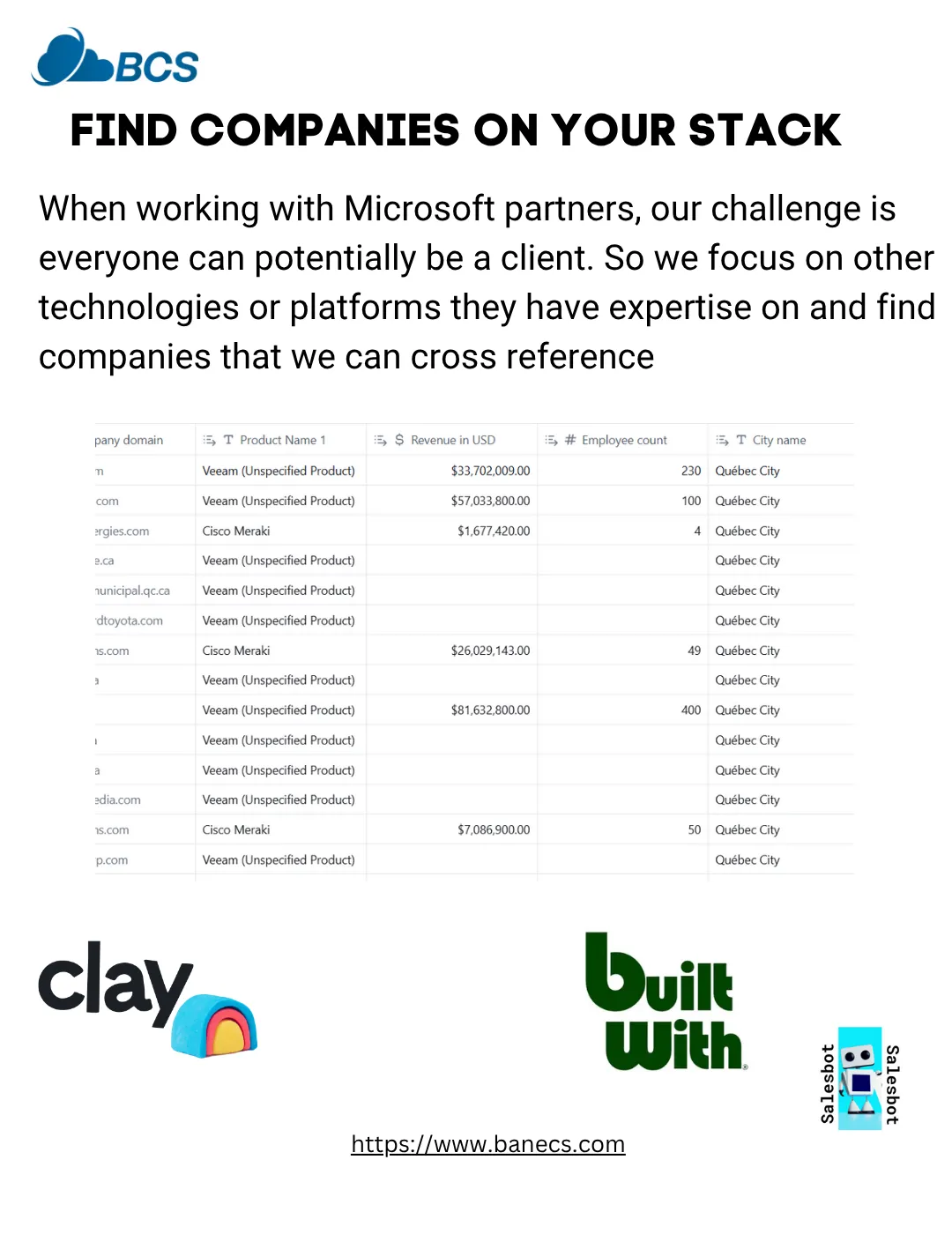
Opportunity creation hinges on monitoring real, actionable signals that indicate a prospect is likely to act quickly. Examples tailored to Microsoft partners include:
A company posting job ads for Microsoft license or Azure administrators
Recent increases in Azure support or migration roles
Announcements of product changes or upcoming Microsoft end-of-support deadlines
News of a new CTO appointment or a digital transformation initiative
Teams looking for these triggers engage in timely conversations, not just more conversations.
Why Industry Knowledge Matters for Microsoft Partners
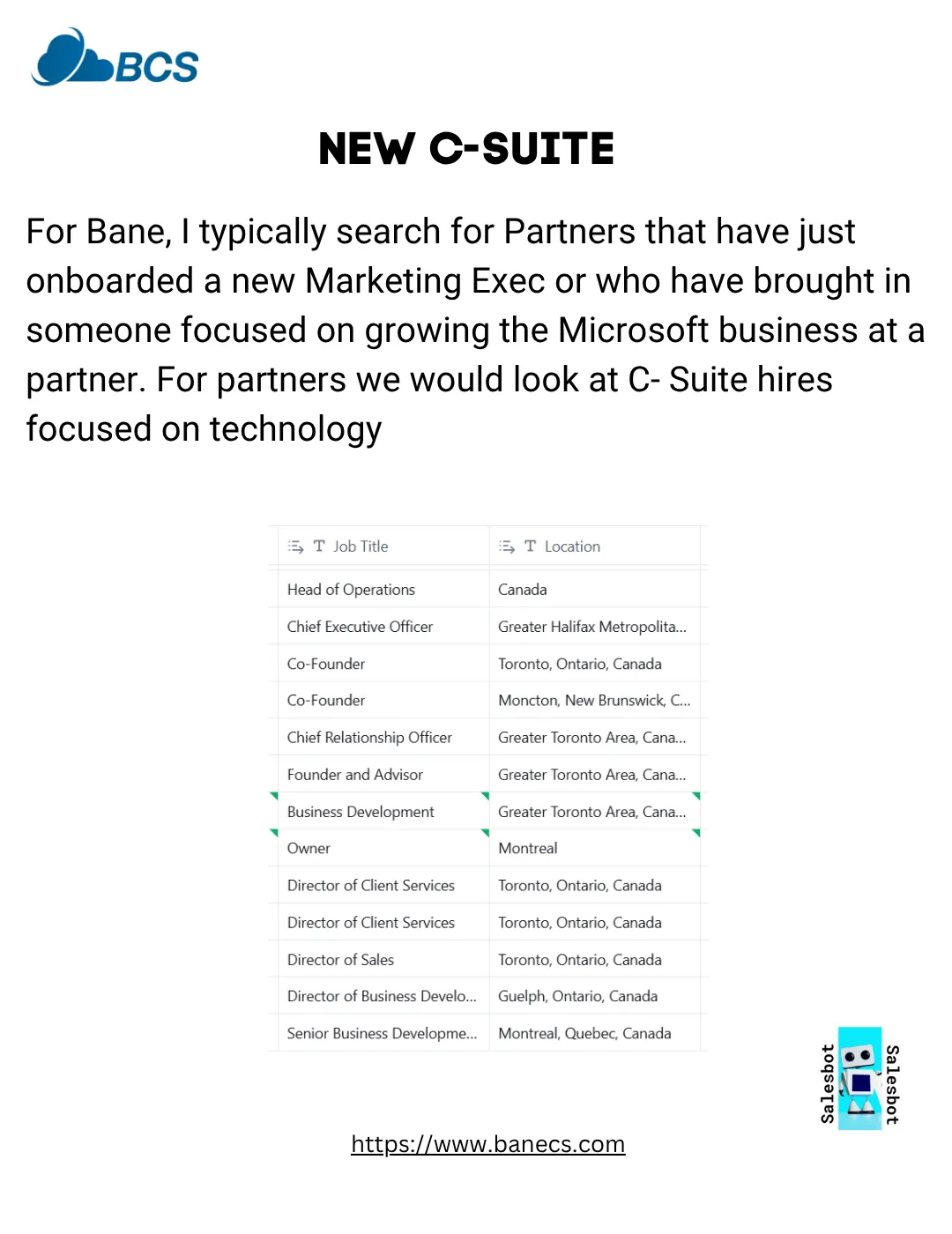
New Hires
Anybody can set up alerts for job postings or scrape LinkedIn activity. The critical differentiator? Deep industry understanding. To uncover—and correctly interpret—the nuanced signals that indicate Microsoft buyers are evaluating new solutions, marketing teams must:
Track partner program updates and shifts in licensing or compliance requirements
Stay ahead of regulatory changes affecting Microsoft deployment cycles
Recognize the unique pain points and decision triggers each vertical faces (e.g., sudden security deadlines, migration needs, new integration standards)
This insight is especially critical for B2B sellers targeting IT, legal, or financial services, where cycles and signals differ widely. The right outreach timing requires matching your messages to these distinctive buying opportunities.
A Strategic Approach to Opportunity Creation for Microsoft Partners
So what does modern, intent-based outreach look like in practice? Here’s a proven process for Microsoft partners:
1. Build Highly Targeted Lists
While database curation is a well-trod exercise, today’s lists are built not just on firmographics but also on recent activities, such as job postings or technology stack transitions. Tools that track hiring or key technology appointments can feed actionable data into your pipeline.
2. Monitor Industry-Specific Signals
Go beyond the basics. Look for Microsoft partner program updates or compliance announcements, news about an organization’s technology pivot, or even chatter in relevant LinkedIn groups. These can be subtle but powerful indicators that an organization is primed for a conversation about Microsoft tools, migrations, or managed services.
3. Engage Based on Timing — Not Volume
This is the golden rule for opportunity creation for Microsoft partners. Sending fewer, more contextual touches will consistently outperform high-volume tactics, especially as inboxes get more crowded. When you understand the “when,” your outreach stands out as relevant and welcomed.
4. Stay Top-of-Mind Until the Signal Fires
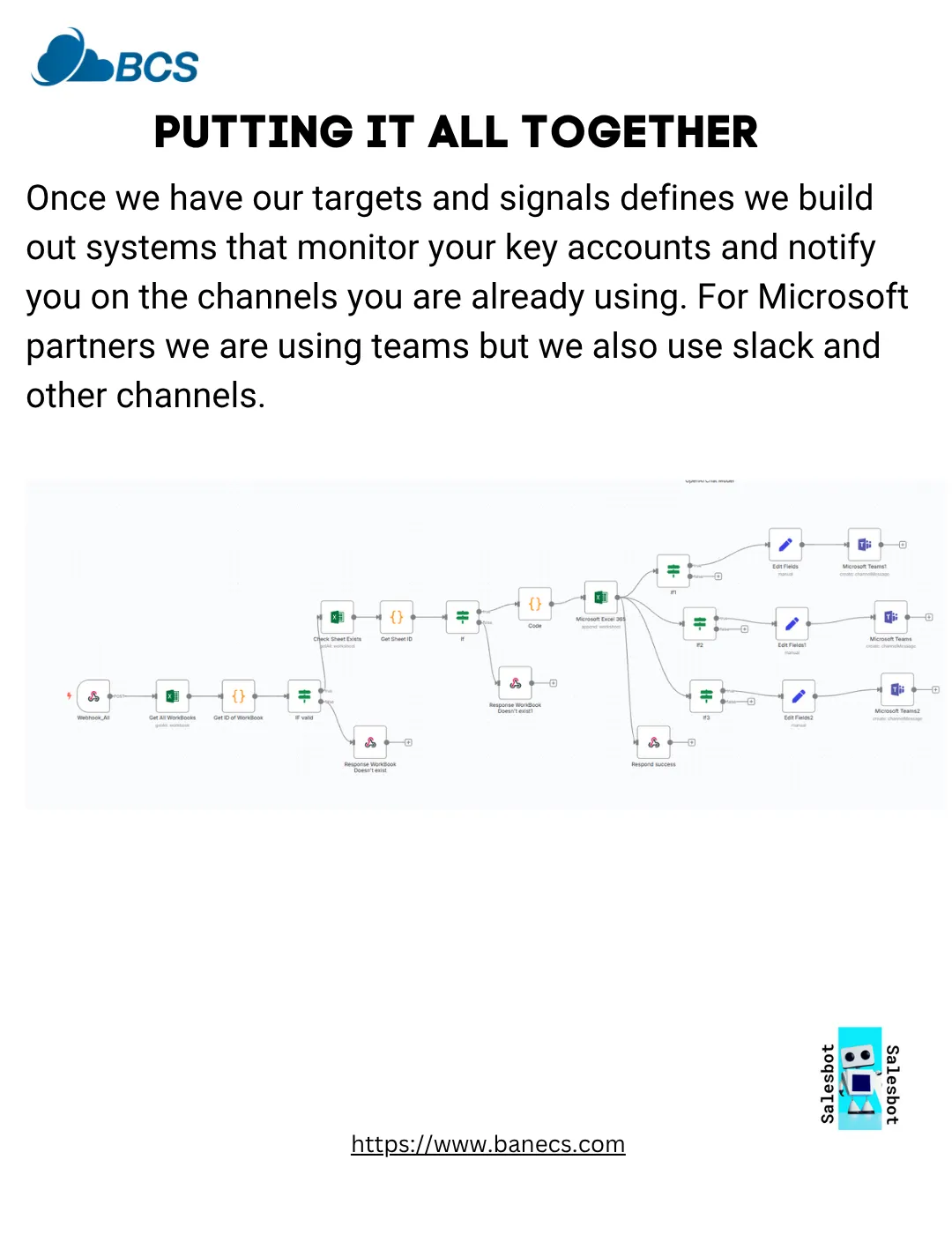
Just because a company isn’t ready today doesn’t mean they won’t be tomorrow. Connect, nurture, provide value, and stay updated. Use channels your prospects already rely on – Teams, Slack, or email—so your name surfaces naturally when the time is right.
5. Strike When the Iron is Hot
With the groundwork in place, act swiftly when a strong signal emerges—like a new Microsoft announcement affecting their environment or a sudden spike in Azure-related activity. Personalized, well-timed outreach makes your offer the obvious next step.
Avoiding Common Pitfalls: Timing vs. Volume
A frequent mistake among Microsoft partners is confusing a volume issue for a timing issue. Many teams believe that ramping up activity will drive better results, but outreach is often wasted if prospects aren’t actively considering changes.
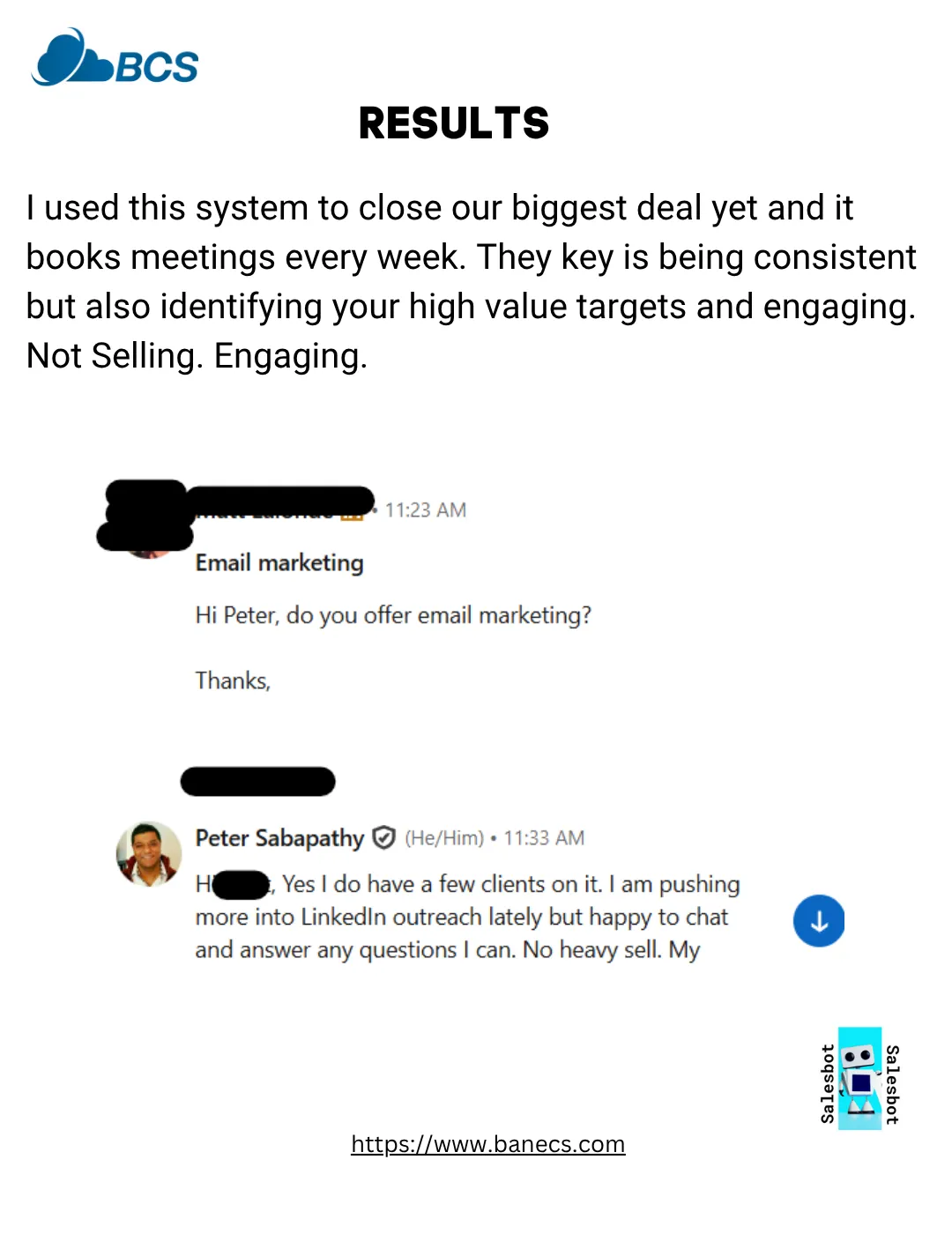
Opportunities
Consider the exercise: If you had a room full of your perfect prospects, what telltale sign would show you they’re ready to buy today? It’s rarely random. Instead, look for:
New technology leadership cited in press releases
Sudden flurries of job postings for IT roles
Vendor or ecosystem changes (like Microsoft end-of-life announcements)
Open discussions of current pain points or budget allocations for digital transformation
Spot these, and your outreach will no longer feel like cold calls — it’ll be timely, relevant, and much better received.
Bringing It All Together
The modern Microsoft partner doesn’t chase leads—they create opportunities by staying laser-focused on timing and buyer intent. Leveraging industry knowledge, spotting pattern changes, and responding with precision turn your outreach from noise into results.
In the end, opportunity creation for Microsoft partners is less about sending as many emails as possible, and more about knowing exactly when to reach out and what to say. Smart teams rely on industry signals, tailored strategies, and thoughtful engagement—creating a win-win for both your prospects and your pipeline.